


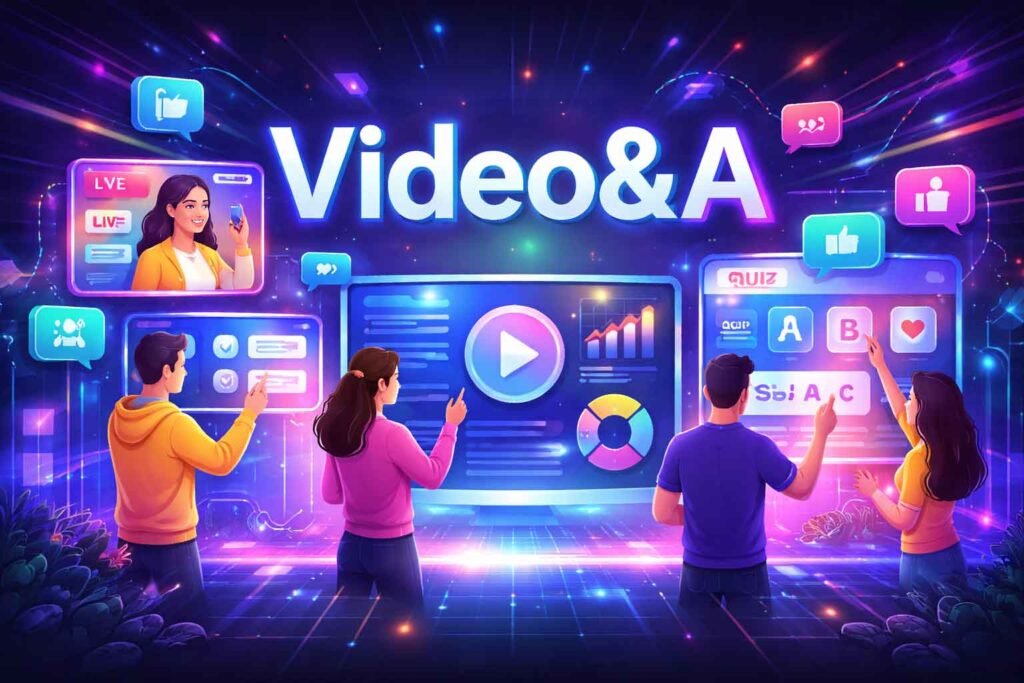
Video&A is becoming a very important part of digital life in 2026. People today do not want to just “watch” a video. They want to feel involved. They want to click, ask, choose, and learn in a more active way. This is why Video&A is now one of the most popular ways to share information online.
You may have seen this trend everywhere. Short videos, live replies, polls, and small interactive features are now part of daily online life. Video&A can turn a simple video into a fun and helpful experience. In this article, we will explore what Video&A really means and why it is changing the way people watch, learn, and connect online.
This guide will share everything you need to know. We will talk about what Video&A is, how it works, why it is trending today, and why so many creators and businesses use it. Each section will help you understand the idea step by step. So let’s get started!
What Is Video&A?
Video&A is a simple idea with a powerful impact. It means “video and something more.” The “A” stands for Analytics, Accessibility, and Audience interaction. This means Video&A is not only about watching. It is about watching and doing something, all at the same time. This makes the video more alive and more helpful.
With Video&A, the viewer becomes part of the video. You can answer a question. You can click on something inside the video. You can choose what happens next. You may even talk back through a reply video. This small change turns a regular video into a two-way experience, which is much more engaging for people.
Today, Video&A is used in many areas. It is used on social media, in online classes, in marketing, and even in entertainment. It helps creators share their stories in a stronger way. It helps teachers explain lessons more clearly. It helps brands connect with customers more easily. This is why Video&A continues to grow fast in 2026.
How Video&A Works
Video&A works by adding small interactive features inside the video. These features let the viewer take part in the content. For example, a video may show a poll where you can choose an answer. A teacher may add a quiz in the middle of a lesson. A creator may let you click on a button to see more details. These small actions make the video more fun and useful.
Another part of Video&A is accessibility. This means the video is easier for everyone to understand. Subtitles help people who cannot hear well. Translations help viewers from different countries. Simple designs help people of all ages follow the video easily. This is why Video&A is friendly for a global audience.
Video&A also uses analytics. This means the creator can see what people like, where viewers stop watching, and which parts they click the most. These tools help creators make better videos. They help teachers understand what students need. They help brands learn what customers want. This is why Video&A is so helpful for both the viewer and the creator.
Why Video&A Is Trending Today
Video&A is trending today because people love content that feels simple and active. In 2026, most people have short attention spans. They want quick answers, easy learning, and fun ways to interact. Video&A gives them all of this in one place. It makes watching a video feel more personal and more exciting.
Another reason Video&A is trending is because video is now the most popular content type online. People spend hours watching videos on TikTok, Instagram, YouTube, and many other apps. Since videos already hold attention, adding interactive parts makes them even more powerful. This is why more creators and businesses are choosing Video&A.
Video&A also fits perfectly with modern life. People want to learn things fast. They want to see real examples. They want content that understands them. Video&A lets them click, answer, choose, and talk back, which makes the experience feel natural and fun. That is why Video&A has become a big trend around the world.
Features of Video&A
Video&A has many simple features that make it special. One of the biggest features is interaction. This means the viewer can do something while watching. They can click, vote, choose, or answer. These actions help the viewer stay active and enjoy the video more. It also helps the creator understand what people like.
1. Interaction
Interaction is one of the strongest features of Video&A. It lets the viewer take part in the video instead of just watching it. Viewers can click buttons, vote in polls, choose between options, or answer small questions during the video. These simple actions keep the viewer active and help them feel more connected. Interaction also helps the creator learn what people enjoy so they can make better videos next time.
2. Accessibility
Accessibility is another important part of Video&A. Many Video&A videos include subtitles, captions, translations, and clean layouts. These tools make the video easy to understand for everyone, even if they have hearing problems, speak a different language, or have learning difficulties. This makes Video&A friendly for people of all ages and backgrounds, and helps the message reach more viewers.
3. Analytics
Analytics are a key feature that makes Video&A very powerful. Analytics show what viewers do inside the video. They reveal which parts people watch again, which parts they skip, and where they click the most. They also show when viewers stop watching. All this information helps creators understand their audience better. With clear insights, creators can fix weak parts, improve strong parts, and make videos that match what viewers truly want.
4. Personalization
Personalization makes Video&A feel special for each viewer. With simple AI tools, the video can adjust itself based on the viewer’s needs. It may offer different paths, different answers, or different tips depending on what the viewer chooses. This makes the video feel more personal and comfortable. When viewers feel that the video understands them, the experience becomes smoother and more enjoyable.
Video&A in Social Media
Video&A is very common on social media because people love quick and active content. Apps like TikTok, Instagram, and YouTube make it easy for anyone to take part in the video. This is why Video&A grows fast on these platforms. People feel more connected when they can click or answer right away.
On TikTok, creators reply to comments with short videos. This simple feature is a great example of Video&A. It feels personal and fun. On Instagram, users answer polls, Q&A boxes, and stickers inside Reels. YouTube Shorts also supports video replies. These small actions keep viewers active, and active viewers stay longer.
Social media platforms use analytics to learn what people like. If a certain video style gets more likes or watch time, creators receive hints about what works. This is another strong part of Video&A. It helps both the creator and the viewer enjoy the experience more.
Video&A in Marketing
Marketing teams use Video&A because it helps them connect with customers in a simple and friendly way. A normal ad may show a product, but a Video&A ad lets you click the product, watch how it works, or even buy it right away. This makes the buying process clear and easy for the viewer.
Many brands also use Video&A to answer common questions. For example, a product video may include a small Q&A segment inside it. This helps customers understand how to use the item without needing to search for extra help. Simple interactive videos build trust because customers feel guided.
Another helpful part is analytics. Video&A shows which parts of the video people watch again, skip, or click. This helps companies see what customers enjoy the most. With this information, they can create better ads and better products. Video&A gives marketers clear direction, which is very useful in 2026.
Video&A in Education
Video&A is also very important in education. Students today learn better when the lesson feels active and visual. A simple video can teach something, but a Video&A lesson can help students answer questions, take quick quizzes, and receive feedback right away. This makes learning easier and more fun.
Teachers can add small quizzes inside the lesson. When a student watches the video, the quiz pops up. The student must answer before moving on. This helps the student remember the lesson better. It also helps teachers see which parts students find hard.
Accessibility tools also play a big role. Subtitles, translations, and simple layouts help students from anywhere in the world learn without confusion. Video&A gives equal support to all students, even if they have different learning needs. This is why schools and e-learning platforms use it more each year.
Video&A in Entertainment
Entertainment becomes more exciting when Video&A is used. Many streaming platforms now test shows where viewers choose what happens next. This makes watching a movie feel like taking part in the story. It turns a normal show into a fun, personal adventure.
Music artists also use Video&A to connect with fans. Fans can vote on the next song during a livestream. They can pick outfits, stage styles, or even special scenes. These simple choices make fans feel closer to the artist. This is why Video&A is now a big part of digital entertainment.
Creators also use analytics to learn which scenes viewers enjoy the most. This helps them create better videos in the future. With Video&A, entertainment becomes something you experience, not just something you watch.
How Technology Powers Video&A
Video&A uses simple but powerful technology to make everything work smoothly. AI helps videos adjust to each viewer. If the viewer needs help, the video may show extra details or tips. If the viewer wants quick steps, the video may skip to the main part. This makes Video&A feel personal and helpful.
VR and AR also support Video&A by creating 3D and immersive spaces. A viewer may walk through a store in VR or explore a lesson in AR. These tools make learning and entertainment more real and more fun.
Analytics also play a huge role. They show creators real-time data about clicks, watch time, skip areas, and viewer choices. Multimodal systems also help the video understand audio, text, and actions together. This combination makes Video&A strong, smart, and easy to use for both viewer and creator.
Future of Video&A
The future of Video&A looks bright because technology keeps growing. Video&A will soon offer smarter and more flexible options. Videos may change based on mood, timing, or personal needs. You might get a shorter video when you are in a hurry and a deeper one when you want more details.
We may also see more VR and AR experiences. Lessons may become full 3D rooms. Stories may become interactive games. Shopping videos may let you walk around a virtual store and pick items with your hands. Video&A will bring many new experiences that feel fresh and simple.
Global support will also improve. Instant translations, auto-subtitles, and adaptive viewing tools will help people everywhere enjoy content without barriers. As more creators and businesses use Video&A, it will become a normal part of daily life in 2026 and beyond.
Tips to Make Great Video&A Content
If you want to make strong Video&A content, start by knowing your audience. Think about what they like, what they need, and what they want to learn. When you understand your audience, your Video&A will feel more helpful and more interesting.
Keep your videos short and clear. People like fast and simple content. Use easy words, clean visuals, and smooth steps. Try to add one or two small interactive parts, like a poll or a clickable button. These small touches make your Video&A stand out.
Use analytics often. Look at what people watch, skip, or click. This data helps you improve your next video. Also, stay consistent. Post often so your audience feels connected. With the right mix of storytelling, simple design, and interactive features, your Video&A will grow fast.
Final Thoughts
Video&A is changing the way people watch, learn, and connect online. It turns passive videos into active experiences. It gives viewers power to click, answer, and choose. It gives creators better tools and clearer insights. This is why Video&A is becoming a key part of digital life in 2026.
If you start using Video&A now, you will see how easy and helpful it is. It can make your lessons better, your marketing stronger, and your entertainment more fun. Video&A is simple, smart, and here to stay. It is truly the new way people connect in our digital world.
(FAQs)
How is Video&A different from a normal video?
A normal video is one-way. You watch it, and that’s all.
Video&A is two-way. You can interact with it. It can change based on what you do. It also gives creators more information about how people watch.
Why is Video&A becoming popular in 2026?
People today like fast, simple, and engaging content. They want to learn and enjoy in a fun way. Video&A gives them control, choices, and clear information. This makes it more exciting than regular videos.
Do I need special tools to make Video&A?
No, not always. Many social apps like TikTok, Instagram, and YouTube already have interactive features. But for more advanced Video&A, creators can use simple software or AI tools.
Where can I see Video&A content?
You can see Video&A on social media, e-learning websites, business pages, and marketing videos. Many platforms now use polls, Q&A boxes, quizzes, and clickable links inside videos.
Can Video&A help in learning?
Yes, it helps a lot. Students can answer questions while watching a lesson. They can choose what to explore next. It also helps teachers track progress through analytics.
You Might Also Like:
A Complete Guide to PI123 in 2026: Meaning, Uses, and Benefits
Life2Vec Crypto Explained: The New AI Trend Everyone Is Talking About
How TimeWarp TaskUs Helps Teams Stay Productive and Connected
